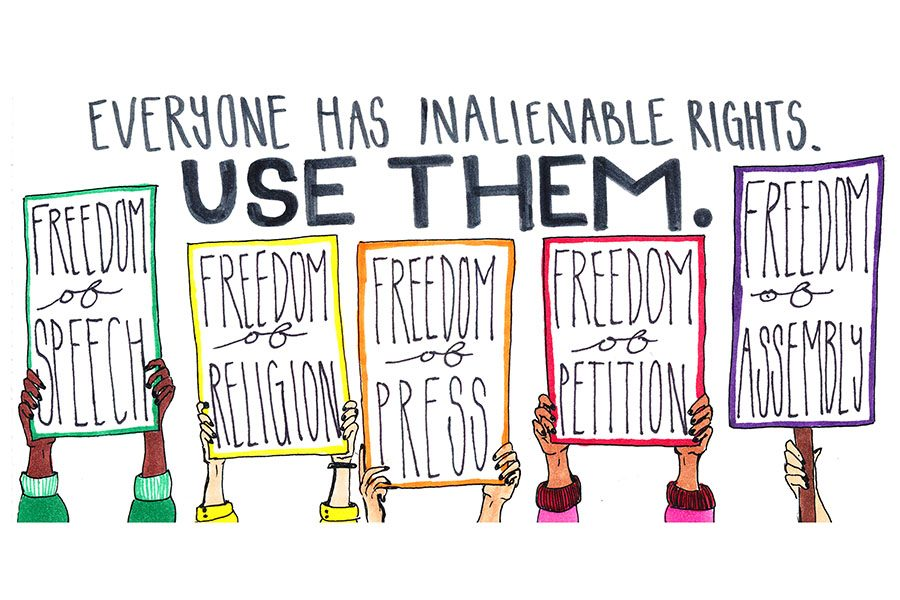
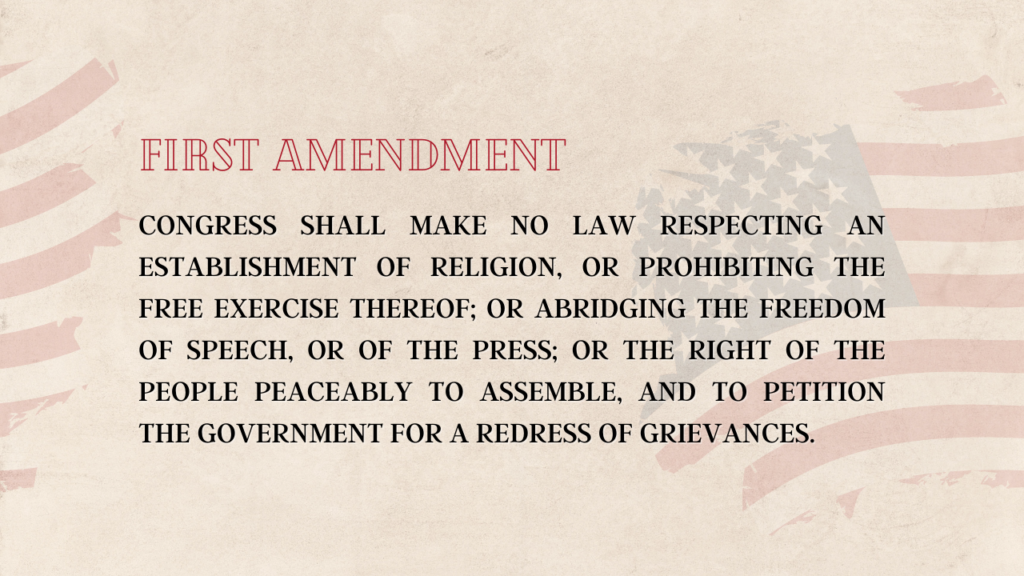
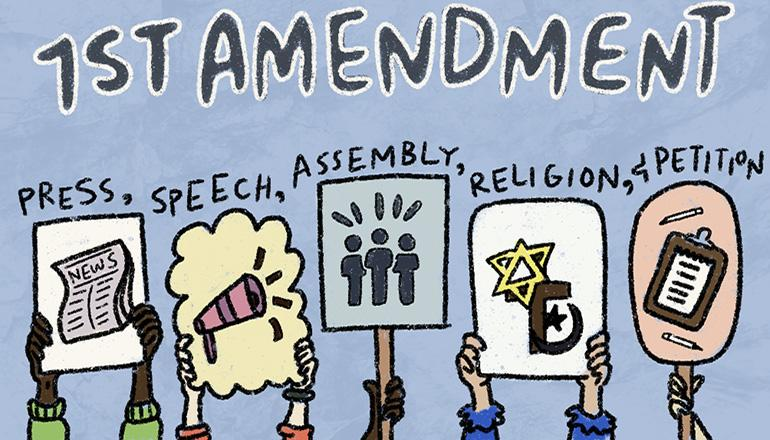
The First Amendment of the U.S. Constitution provides protection for freedom of speech, freedom of expression and freedom of assembly. There has been an increase in the number of state bills introduced that attempt to regulate these freedoms.
The Rise of State-Level Legislation Narrowing First Amendment Rights of Freedom of Speech, Freedom of Expression and Freedom of Assembly
PEN America indicated that 110 bills were introduced in the 2 years from 2017 to 2019. Many of these bills were designed to limit protests. The bills provided stricter penalties for protesters. While less than 20% of these bills became law, it shows an increasing trend to control and restrict our First Amendment rights.
Many of these bills target specific forms of speech, such as protests or assemblies. “Arresting Dissent: Legislative Restrictions on the Right to Protest” (PEN America, 2020) highlights some of the ways state legislatures have tried to limit protests by increasing penalties for protesters and broadening the definitions for unlawful assembly.
The Brennan Center’s Voting Laws Roundup notes how legislative changes can indirectly suppress speech by making it more difficult for citizens to vote by placing restrictions on voting access. While election security is cited when requiring photo identification, many of these restrictions often affect marginalized communities and their ability to advocate for policy changes through voting.
Policy as a Means of Regulating Free Speech
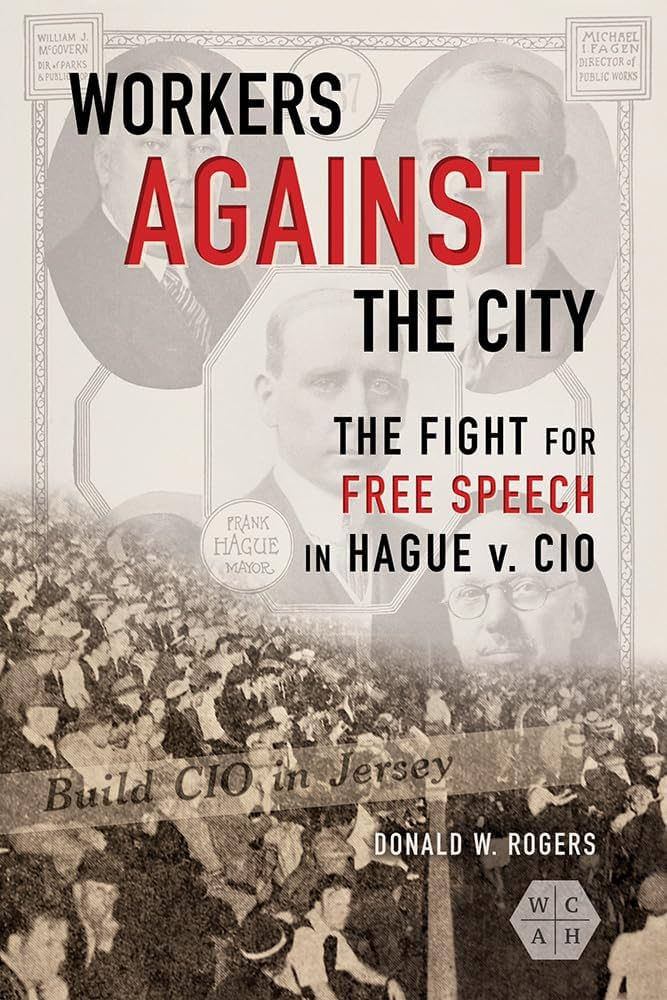
The question of whether policy is appropriate for regulating freedom of speech and freedom of expression is complex. While some laws are necessary, including those that address criminal trespass and obstruction of traffic that pose a risk to public safety, there is a fine line between necessary legislation and unconstitutional restriction. Hague v. CIO set an important precedent by affirming that public spaces must remain open for expressive activities, preventing local governments from arbitrarily restricting assembly. This case highlights the importance of maintaining open forums for public discourse.
On the other hand, some policies that attempt to restrict certain types of speech have been struck down as unconstitutional. In Butler v. Michigan the Supreme Court ruled against a law that broadly restricted access to literature deemed inappropriate for children, stating that it restricted freedom of expression. Gooding v. Wilson invalidated a Georgia law that criminalized “opprobrious” or “abusive” speech, reinforcing the principle that free speech protections extend even to language that some people find offensive.
Based on these legal precedents, policy must be carefully written so that it regulates speech without restricting constitutional rights protected by the First Amendment. While regulations concerning time, place, and manner of speech may be justified under certain circumstances, restrictions must be limited to ensure that there are no violations of the First Amendment. The Expressive Fourth Amendment (Karen Pita Loor, 2021) further argues that protections against government overreach in search and seizure should also extend to safeguarding free expression, reinforcing the connection of the Fourth Amendment to the First Amendment.
Conclusion
State-level legislation that attempts to restrict First Amendment rights present a significant challenge to freedom of speech and freedom of expression. While some legislation is necessary to maintain public order, many recent state legislative efforts appear designed to suppress dissent rather than protect the public. Court rulings such as those in Hague , Butler and Gooding , provide a legal framework that supports and protects freedom of expression. While some regulations may be appropriate in limited circumstances, broad legislative efforts to limit freedom of speech must be challenged when they restrict our fundamental rights protected by the Constitution.