

For my creation activity, I plan to develop a misinformation curriculum targeted at younger elementary students, specifically students in grades 1 and 2 that are ages 5–7. This topic is important because, as we explored in Module 6: Combating Misinformation at Different Scales, misinformation needs to be addressed early. The Discussion Board #6 addressed “Whose Responsibility is it to Solve the Misinformation Problem?” The class agreed that misinformation needs to be addressed in a multilevel approach, by individuals, governments, and technology companies. One discussion cited an article “Illinois Is The First State to Have High Schools Teach News Literacy” . Two quotes from the article “There’s a widespread misconception that because young people are adept at using digital devices, that they are also skilled at making sense of the information that those devices provide.” and “Many assume that if a social media influencer has tons of followers, it means they’re trustworthy.” show how this can be a problem. An experiment mentioned in the article cited “an anonymous Facebook video” that was shown “to more than 3,000 American high school” students. The video showed people stuffing ballot boxes during a presidential election primary. The students were asked if there was “strong evidence of voter fraud in the U.S.” “Only 3 students were able to determine that the video was actually voter fraud in Russia, not the United States.”
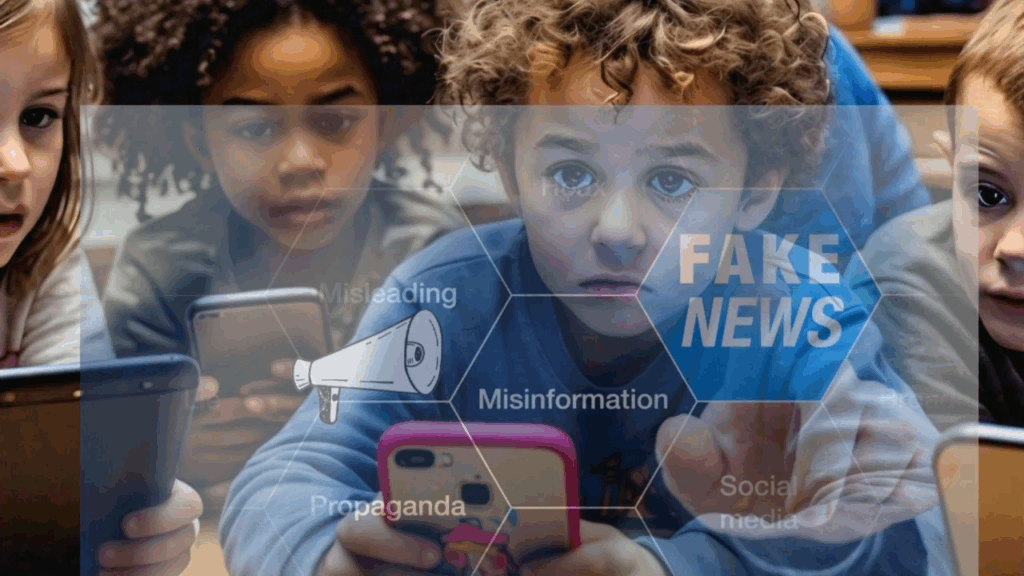
Another group at Stanford University performed a study with college students and their ability to detect false information. The majority of the students could not properly identify misinformation.
The Media Literacy Policy Report tracks how many states have passed legislation “concerning K-12 media literacy or digital citizenship education.” Currently approximately 19 states have passed some legislation requiring schools to provide digital literacy.
“Finland is consistently ranked as Europe’s most media literate country and the skills needed to spot online hoaxes are on the school curriculum.” Finland starts teaching students about misinformation in kindergarten. Exposing students to the identification of misinformation early in their education appears to be effective. This exposure can be through games, including “playing Sherlock Holmes.”
I am planning on becoming a lower elementary school teacher and I would like to develop some lessons on misinformation that can be used for younger students, age 5-7 years old.
For this young audience, I will use a visual and interactive approach, incorporating pictures, videos, and games into my curriculum. Young learners engage and learn best through play. Repetition helps strengthen their skills.
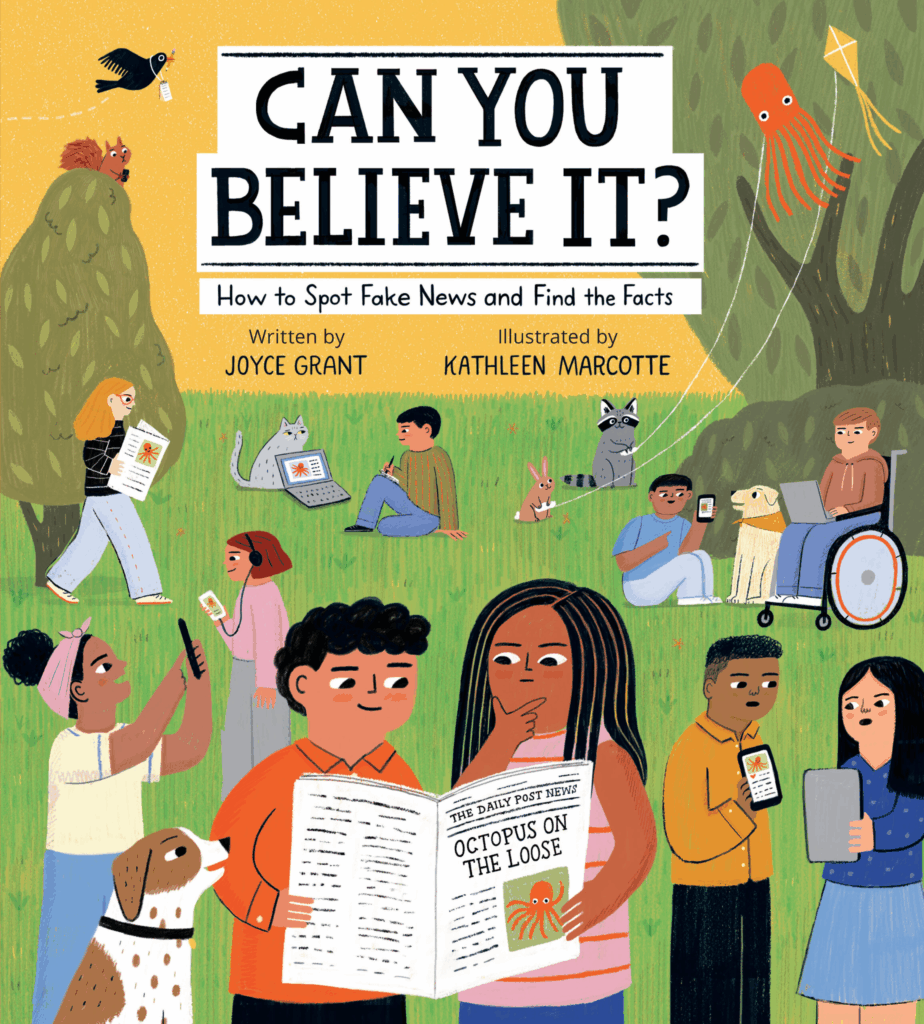
My initial design includes the following games and activities.
“Real or Not” Game – I will show pictures, both real and made-up to younger students and have the students guess which are real. The students will provide an explanation as to why they think the pictures are real or fake.
“Spot the Difference” Game– I will use two versions of the same picture; one picture will be real; the other picture will be edited. An example is a picture of a street which would be the real picture. The second modified picture will include a fish walking across the street on its tail. The students will provide an explanation as to why they think the pictures are real or fake.
Misinformation in Fairytales Activity – We will read the story The Boy Who Cried Wolf” and discuss what happens with lies and how lies are considered misinformation.
I think that using a visual and interactive approach will be effective because younger students enjoy games. Games keep students engaged and help students learn while having fun. By starting at a young age, students will learn through repetition how to identify misinformation.
References:
Claybourn, Cole. What Is Media Literacy? What Parents Need to Know. US News & World Report November 14, 2023. https://www.usnews.com/education/k12/articles/what-is-media-literacy-what-parents-need-to-know
France-Presse, Agence. Finnish youth taught how to spot disinformation. VOA News December 24, 2024. https://www.voanews.com/a/finnish-youth-taught-how-to-spot-disinformation-/7912218.html
Kivinen, Kari. In Finland, We Make Each Schoolchild a Scientist. Issues in Science and Technology. Vol. XXXIX, No. 3, Spring 2023. https://issues.org/finland-education-misinformation-social-resilience-kivinen/
Media Literacy Policy Report. Media Literacy now. https://medialiteracynow.org/policyreport/
Medlin, Peter. Illinois Is The First State to Have High Schools Teach News Literacy. NPR August 12, 2021. https://www.npr.org/2021/08/12/1026993142/illinois-is-the-first-state-to-have-high-schools-teach-news-literacy
Spector, Carrie. As the 2020 election approaches, Stanford scholars teach skills to judge fact from fiction online. Standord Graduate School of Education. October 8, 2020. https://ed.stanford.edu/news/2020-election-approaches-stanford-scholars-teach-skills-judge-fact-fiction-online
Wineburg, Sam, Joel Breakstone, Nadav Ziv, & Mark Smith. Educating for Misunderstanding: How Approaches to Teaching Digital Literacy Make Students Susceptible to Scammers, Rogues, Bad Actors, and Hate Mongers. Working Paper A-21322, Stanford History Education Group, Stanford University, Stanford, CA, 2020. https://purl.stanford.edu/mf412bt5333