
The internet has transformed freedom of expression, creating an interconnected global space where individuals can share opinions, ideas, and information instantly. The internet and digital media have provided many opportunities for people to communicate. Digital media platforms, including social media, blogs, and online forums, have provided access to diverse perspectives. From personal stories to news articles, scientific data, and educational content, the internet has broadened communication beyond local communities to reach people worldwide. In addition to social interactions, the internet is also an essential tool for daily activities such as email, messaging, online shopping, banking, and cloud storage. It is difficult to imagine life without it!
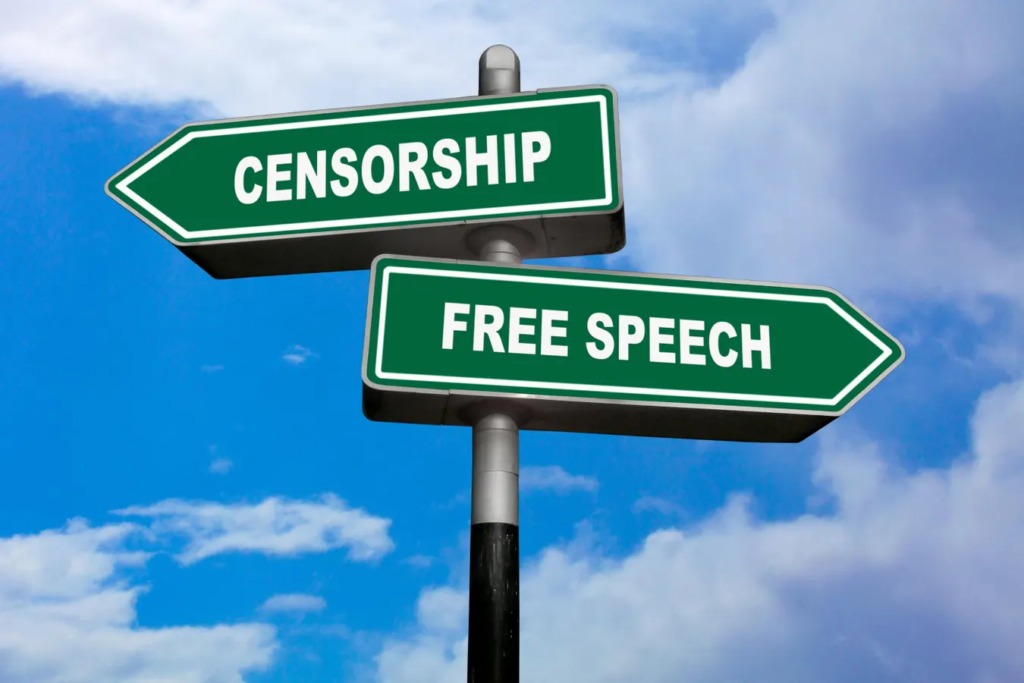
While the internet provides opportunities, there are also challenges. While the internet provides access to information, it has also become a platform for misinformation, hate speech, and harassment. Lies, hoaxes, and slander have become the norm rather than the exception. This raises concerns about the balance between protecting free speech and the prevention of harm.
Article 19 of the Universal Declaration of Human Rights (UDHR) recognizes the right to freedom of expression as a fundamental right. Although the UDHR lacks enforcement mechanisms, it establishes a universal standard, condemning internet shutdowns, especially when used to suppress protests, as noted by the Brookings Institution.
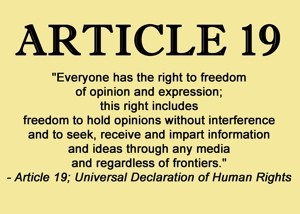
In the United States, the First Amendment protects free speech, including online expression. However, governing the digital space presents unique challenges. As noted by Section 230 of the Communications Decency Act , this law protects online platforms from liability for user-generated content. In 1997, Zeran v. America Online, Inc. helped set precedent for this law. Another significant case, United States v. Playboy Entertainment Group highlights the difficulty of protecting freedom of speech while regulating potentially harmful content.
Given the complexities of regulating online speech, a ranking of values and rights in the digital age is necessary to ensure a balance between free expression and protection from harm.
Freedom of Expression
The First Amendment to the US Constitution protects freedom of speech and freedom of expression. In addition, UDHR also supports the right to freedom of expression as a fundamental right.
As a fundamental human right, free speech should remain a top priority. The ability to share ideas, debate issues, and access diverse opinions is essential for democratic societies. However, this right is not absolute. There must be safeguards against speech that incites violence, spreads falsehoods, or promotes hate.
Right to Privacy
Users of the internet must have a right to privacy. People need to be able to post information without the fear of retaliation, both by the government and by individuals. In addition, private information should be protected, rather than collected by companies for marketing and by the government as a form of surveillance.
Protection from Harm
While it is important to protect freedom of expression, there needs to be controls to prevent abuse. People need to be protected against violence, hate speech, and harassment. Henry Schuster with 60 Minutes provided examples of how dangerous disinformation can be.
Access to Information
The internet provides access to information. This access should not be restricted. Individuals should be able to read and use the information to make informed decisions. Access should not be restricted by certain governments such as in an internet shutdown.
In addition to restricting censorship, internet users should be protected from cyber threats, data breaches, and surveillance.
Digital Security and Platform Accountability
While Section 230 of the Communications Decency Act protects online platforms from liability for user-generated content, there needs to be some type of platform accountability and corporate responsibility.
While the internet offers unlimited opportunities, it comes with challenges. As the internet continues to expand, it is important to establish priorities. Freedom of speech and freedom of expression are fundamental rights and need to be protected, while ensuring privacy, security, and accountability. A well-balanced approach can preserve the internet as a space for conversation while minimizing harm.