
“Public squares” get their name from their ability to bring together people that share ideas, photos, videos, and links and participate in conversations and discussions. “Public squares” are also referred to as “digital town squares” and “public sphere.” “Public squares” are user driven. Examples of “public squares” are Instagram Reels, YouTube Shorts, Facebook Pages.
The benefits of “public squares” are that they are easy to use and can connect many users quickly. “Public squares” can be used for profit. In addition, “public squares” can be used for targeted advertising.
The disadvantages of “public squares” are the threat of misinformation, censorship, manipulation, and privacy risks.
Should We Depend on the Good Will of Owners of Public Squares?
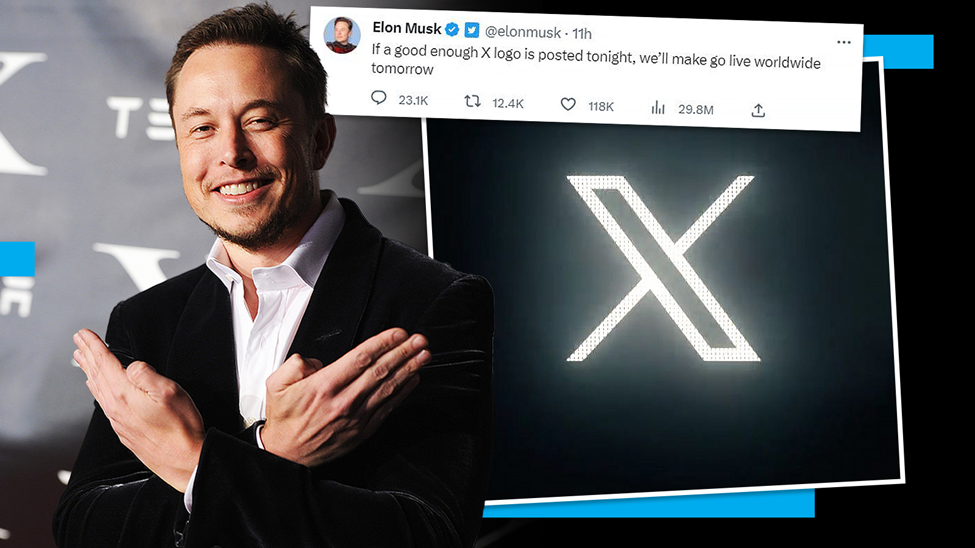
As we have seen, ownership of internet platforms that have public squares can change. An example is how Elon Musk purchased Twitter, now X.
Decentralized Alternatives
Decentralized platforms, such as Mastodon and Bluesky, offer some solutions. These platforms allow users to host their own servers. This allows users to maintain greater control over their data. The disadvantages of decentralization include that it is more complex to use. This affects the ability to reach a large audience. In addition, it is not scalable.
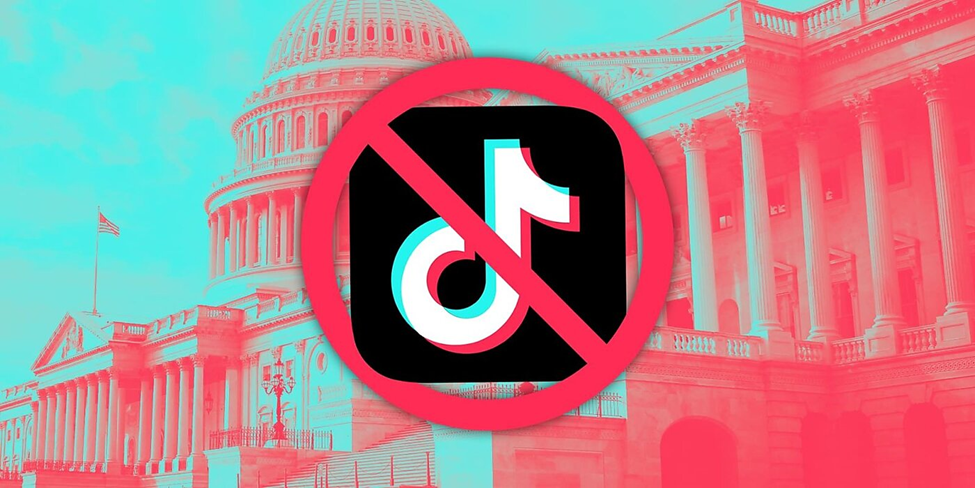
While it sounds like a good idea for the government to intervene, which country or countries would have the most power. Who determines what are fair practices and how are users protected. What are the consequences for violating the rules? How will the consequences be enforced? Will the various platforms be connected. Since some of the platforms, such as X are privately owned, who has the right to regulate. Currently, the United States is trying to ban TikTok. TikTok feels that the ban violates the United States First Amendment of the Constitution which is Freedom of Speech. To enforce the ban, the United States would require Apple and Google, both US based companies, to remove the TikTok app from the App Stores. TikTok is currently fighting the potential ban in the courts. The decision could take years to make.
Who Owns What We Say?
This is not an easy question to answer. Users feel that they own their posts. Platform owners feel that they own the content through their terms of service agreements. However, these agreements are unilateral where the users must sign the service agreement, or the platform owner does not allow the user to post.
What Should Society Do?
I believe that society should educate users on digital media and the risks involved such as privacy issues. Users should be taught to evaluate content and recognize misinformation.
Platforms should set up controls and moderate users for adherence to their rules. Platforms should also be required to disclose what data they collect and how the data is used.
Personal Changes and Reflections
In response to these issues, I have made several changes to my own digital habits. With the large amount of misinformation posted, it is extremely important to check sources. I now actively engage in fact-checking. I look at the reliability and validity of a post. I check more than one source to ensure that the information I read is accurate. I also have started reviewing the various platform agreements to see how data is collected and how the data is used.
Conclusion
While centralized platforms offer a great deal of connectivity, there are risks. As a society, we must demand accountability from platform owners and advocate for user rights. By taking these steps, we can create a positive and informative digital landscape.