
In reflecting on my own experiences and identity, I have become aware of how stereotypes in the media affect how people are perceived and portrayed. I chose to explore the media construction of an Indian American actress, writer, and producer who has dealt with these stereotypes throughout her career. This individual has challenged the limitations imposed by her Indian heritage and gender while becoming successful in the entertainment industry.
Stereotyping of Indian Americans in Media
Indian Americans are often portrayed in the media as exotic, awkward, or speaking with a heavy accent. This portrayal is inaccurate since many Indian Americans were born and raised in the United States, speak without accents, and have a wide range of experiences.
In addition, Indian Americans are frequently cast as doctors, engineers, or technology workers. While these professions are common, they represent only a fraction of the Indian American experience.
This representation fails to capture the full diversity of Indian Americans, forcing them to be defined more by their ethnicity than by their individuality.
Gender Stereotypes in Comedy
In addition to her ethnic identity, this actress has faced stereotypes about women in comedy. The comedy world tends to be male-dominated and very difficult for women to succeed. This actress has overcome these challenges. She has not only succeeded in comedy and as an actress but has also written and produced her own shows.
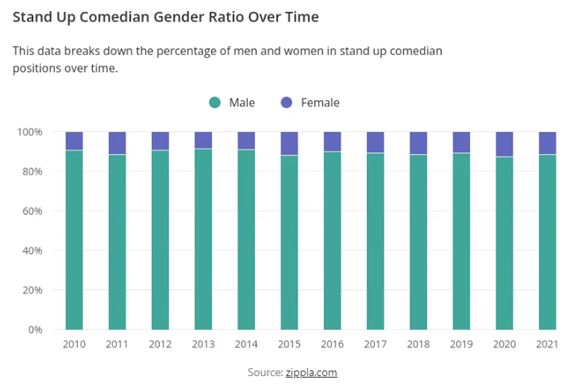
https://authenticcomedy.substack.com/p/why-the-comedy-scene-is-so-male-dominated
Stereotypes About Beauty and Body Image
Another stereotype is the expectation for women to conform to certain beauty standards. Women are often expected to be slim, attractive, and heavily made-up to be considered successful or desirable. This actress has frequently discussed her struggles with body image, and while she once hosted a fitness program where she focused on weight loss, she continues to challenge the traditional beauty standards imposed on women. Despite not fitting the typical mold of what is considered “beautiful” in the industry, she has embraced her individuality, proving that success and self-worth are not contingent on conforming to specific beauty standards.
Is the Media Construction Accurate?
While the media portrays this actress as a trailblazer, a successful Indian American woman in a predominantly white, male industry, this construction is both accurate and incomplete. While she has defied stereotypes regarded to both race and gender, her story does not fully represent the Indian American in the entertainment industry.
Is this actress’s perspective limited or missing?
Yes, the perspective of many Indian Americans is not included in her media portrayal. This actress grew up in an affluent home, and her media construction often reflects this privilege. As a result, her work tends to overlook the struggles of less privileged South Asians who may face greater barriers in achieving success. Her stories focus on a narrow view of Indian Americans and ignore their diversity and struggles related to class and immigration.
Is information missing?
Yes, this actress tends to downplay the struggles that she has had to face as an Indian American woman. Instead, she tends to focus on comedic narratives. She does not address the barriers that she has been able to overcome. Her media persona presents her as an individual success story.
Is content missing?
Yes, while this actress has been able to become successful, she does not address the Indian American struggles for diversity and inclusion. She has been able to break barriers in a white male dominated industry. But she is the exception, not the norm.
What information/biases are overt or implied?
While this actress is portrayed as Indian American, based on her heritage and appearance, she is not representative of the majority of the Indian American people and their struggle to survive and succeed. She is the exception, not the norm.
Conclusion
While the media construction of this actress shows her as a relatable Indian American woman, this is incomplete. This representation does not include the diversity of South Asian experiences, the barriers that many women of color face in the entertainment industry, and the underrepresentation of Indian Americans in the entertainment field. While her success is remarkable, her story does not address the complexity of race, gender, and class in the entertainment world.